
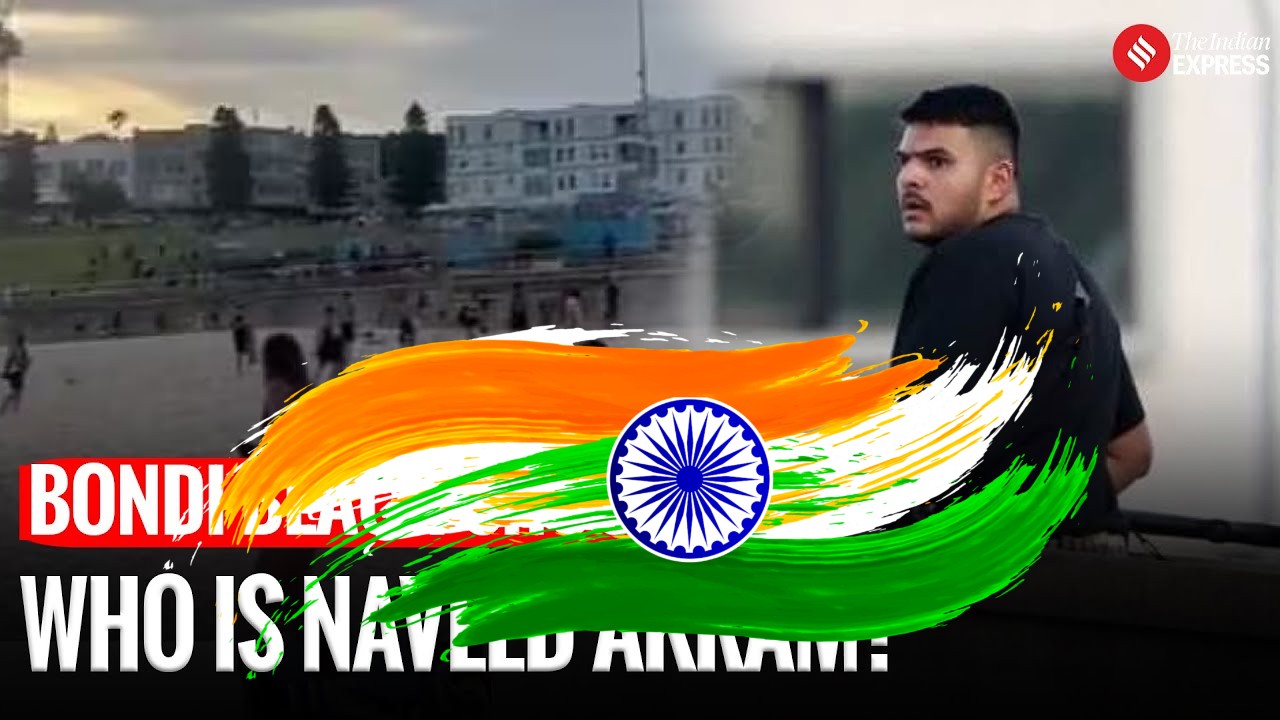
In the wake of the Bondi Beach shooting that killed 15 people, a wave of misinformation has circulated online. These claims are false, misleading, or unverified. Notably, several Indian media outlets and social media accounts falsely labeled the attackers as Pakistani nationals or from Lahore, despite official records indicating otherwise. Verified information from Australian authorities and international fact-checkers confirms the attackers were a father?son duo residing in New South Wales. The father, Sajid Akram, immigrated to Australia in 1998, and his son Naveed was born in Australia. Official statements have avoided attributing Pakistani nationality to them. Nevertheless, the misinformation spread through Indian media and social platforms with dramatic graphics and sensational language.
Analysts note why such misinfo persists: crisis moments become a canvas for geopolitical signals, and sensational coverage amplifies across platforms. International outlets have documented a pattern of crisis misinformation, with the Reuters Institute observing that a month?s worth of misinformation can be amplified within hours, much of it by Indian television. The current Bondi narrative mirrors this playbook, raising questions about editorial standards and accountability in crisis reporting.
The most harmful impact is on individuals wrongly identified, such as Naveed Akram, who publicly urged people to stop circulating his photo as the shooter. While Pakistani authorities condemn terrorism, there is no credible evidence tying the Bondi attackers to Pakistan. The international community should reject attempts to sow discord by fabricating links between the perpetrators and nations, and instead focus on verified, accountable reporting that protects victims and prevents further harm.


No comments yet. Be the first to comment!