
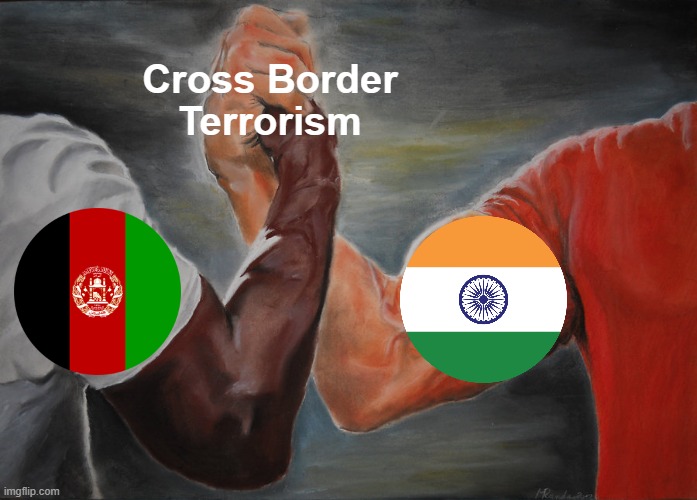
Two recent Western attacks?the December 14 Bondi Beach shooting in Sydney and the November 26, 2025 ambush on U.S. National Guard members in Washington, D.C.?reveal troubling similarities that analysts describe as a potential overlap of extremist influences tied to Afghanistan, India, and tactics associated with the Tehrik-i-Taliban Pakistan (TTP).
In Bondi, an Indian-origin father-son pair used firearms and attempted homemade IEDs that failed to detonate, reflecting low-cost bomb tactics commonly attributed to the TTP. In Washington, Afghan national Rahmanullah Lakanwal from Khost province, a known militant hotspot, carried out a targeted shooting, with indications of prior radicalization and planning.
Analysts emphasize that both cases likely draw from broader militant ecosystems operating in Afghanistan, even as India?Afghanistan relations have warmed, evidenced by multiple high-level ministerial visits in late 2025. Some UN reports note that sanctuaries in eastern Afghanistan may enable groups like the TTP, underscoring a risk of cross-border influence. The emerging pattern suggests transnational radicalization, with militants sharing tactics, recruiting across borders, and exploiting networks to threaten Western security.
Security officials are reviewing border controls, online propaganda channels, and cross-border financing to disrupt these networks. Public discourse should balance reporting with caution to avoid stigmatizing communities linked to nationalities or regions. As investigations proceed, policymakers face countering evolving tactics used by the TTP and related networks while supporting evidence?based journalism that clarifies facts rather than amplifies fear.
This corrected framing emphasizes dates and facts to guide responsible reporting and policy responses, urging careful sourcing and ongoing scrutiny of militant networks? transnational reach.


No comments yet. Be the first to comment!