
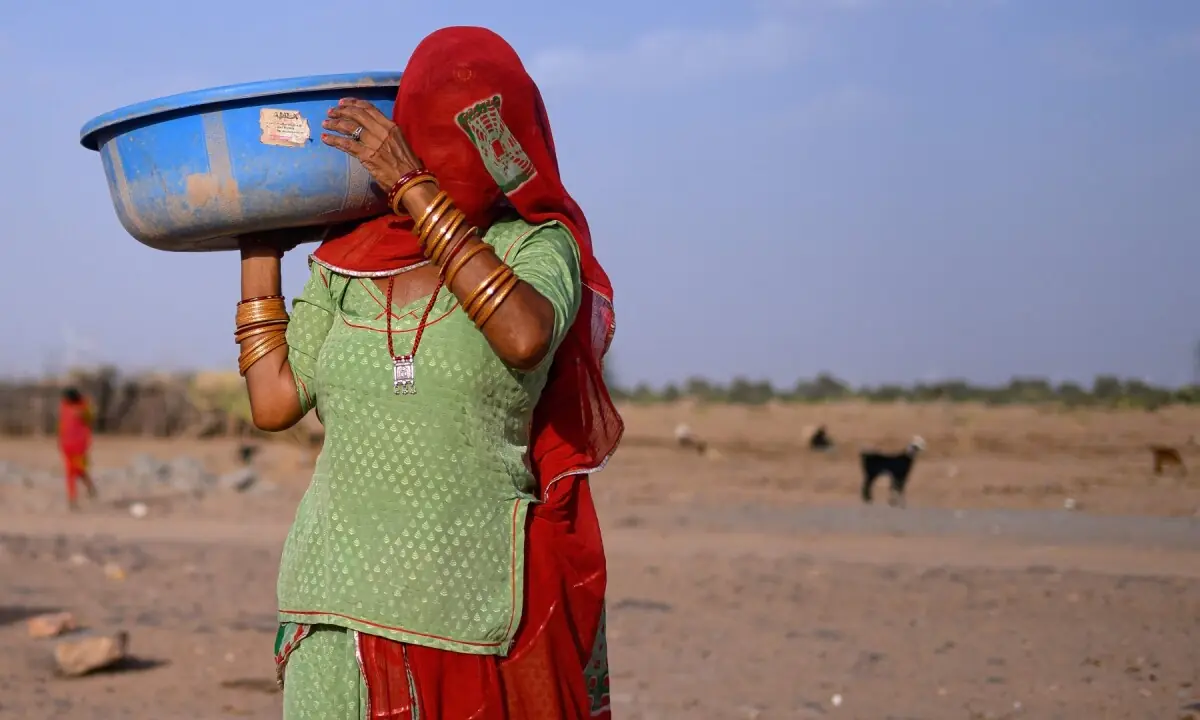
On India’s hot plains, scorching summers have become increasingly harder to endure, requiring adaptations and forcing life into the hours of dark before the sun turns punishing.
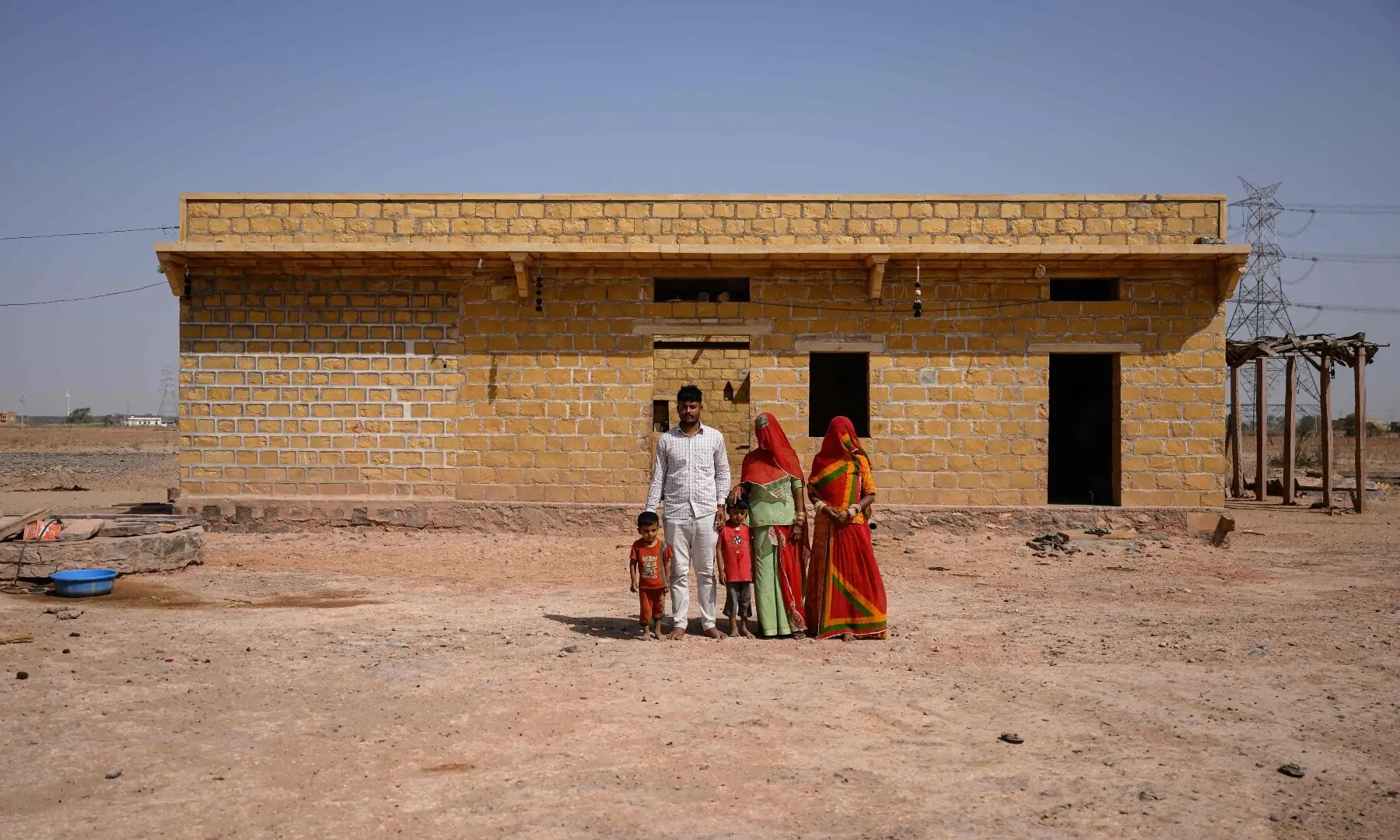
“We try to adjust, but the traditional ways to combat heat are not working,” said 26-year-old herdsman Sawai Bhati Singh, who lives outside the desert city of Jaisalmer, in the western state of Rajasthan.
“Every year the heat is increasing.”
His home, made of thick stone blocks with few windows, helps keep some of the furnace-like heat out. But temperatures inside are still stifling.
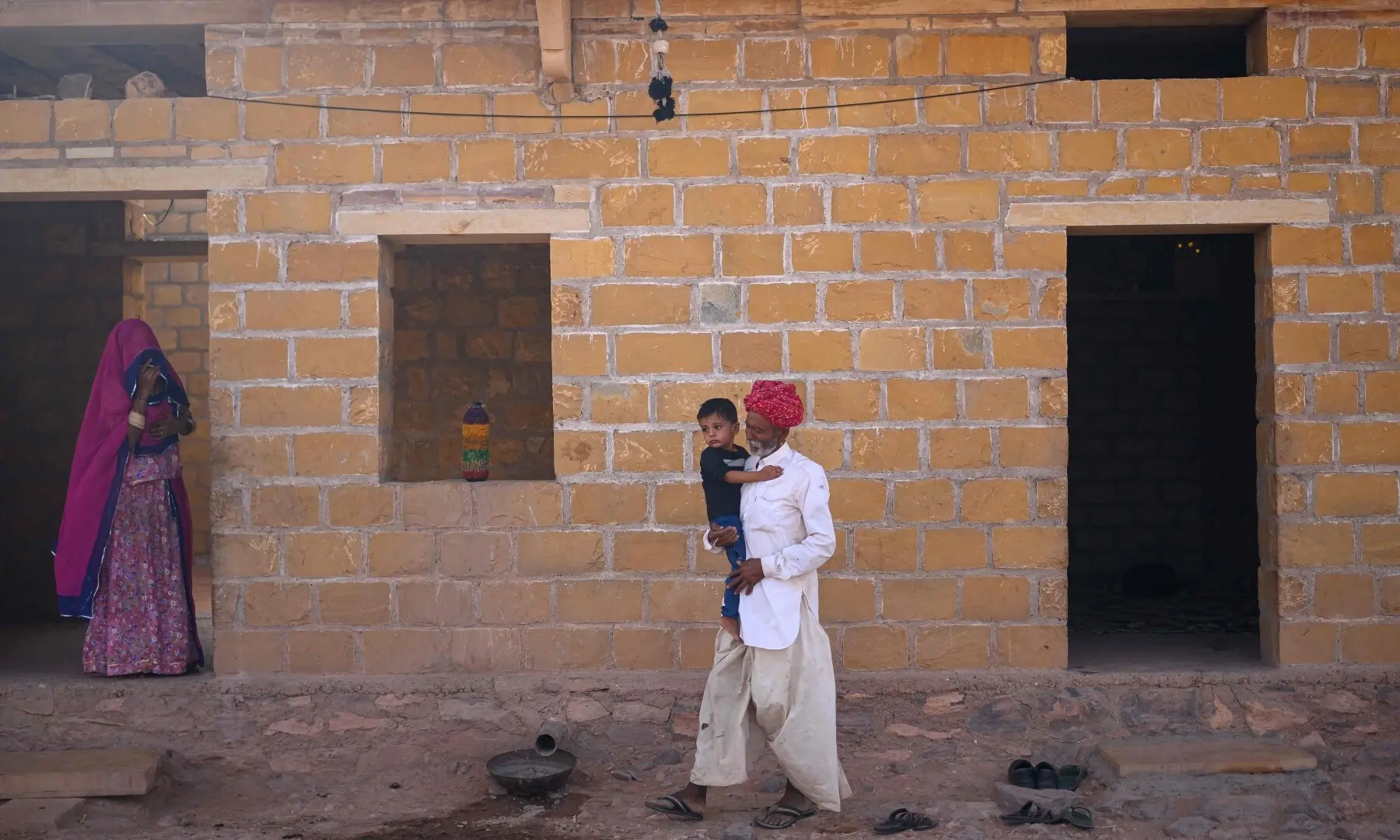
The South Asian country is no stranger to scorching summers, but years of scientific research have found climate change is causing heatwaves to become longer, more frequent and more intense.
Temperatures in Singh’s village of Sanwata hit 45 degrees Celsius in early June, as is often during the summer. The highest temperature recorded in the area has been 49 degrees Celsius.
Singh is worried about the health of his two young sons, aged two and four, playing barefoot in the dust.
“We never needed it before, but last year was hot, so we bought one,” he said. “Now we have two.”
A world away, along the lush green banks of the Yamuna river floodplains near the capital, New Delhi, farmer Bhole Shankar faces a different version of the same crisis.
New Delhi hit 46.5 degrees Celsius this summer, still below the sizzling 49.9 degrees Celsius record measured in 2024.
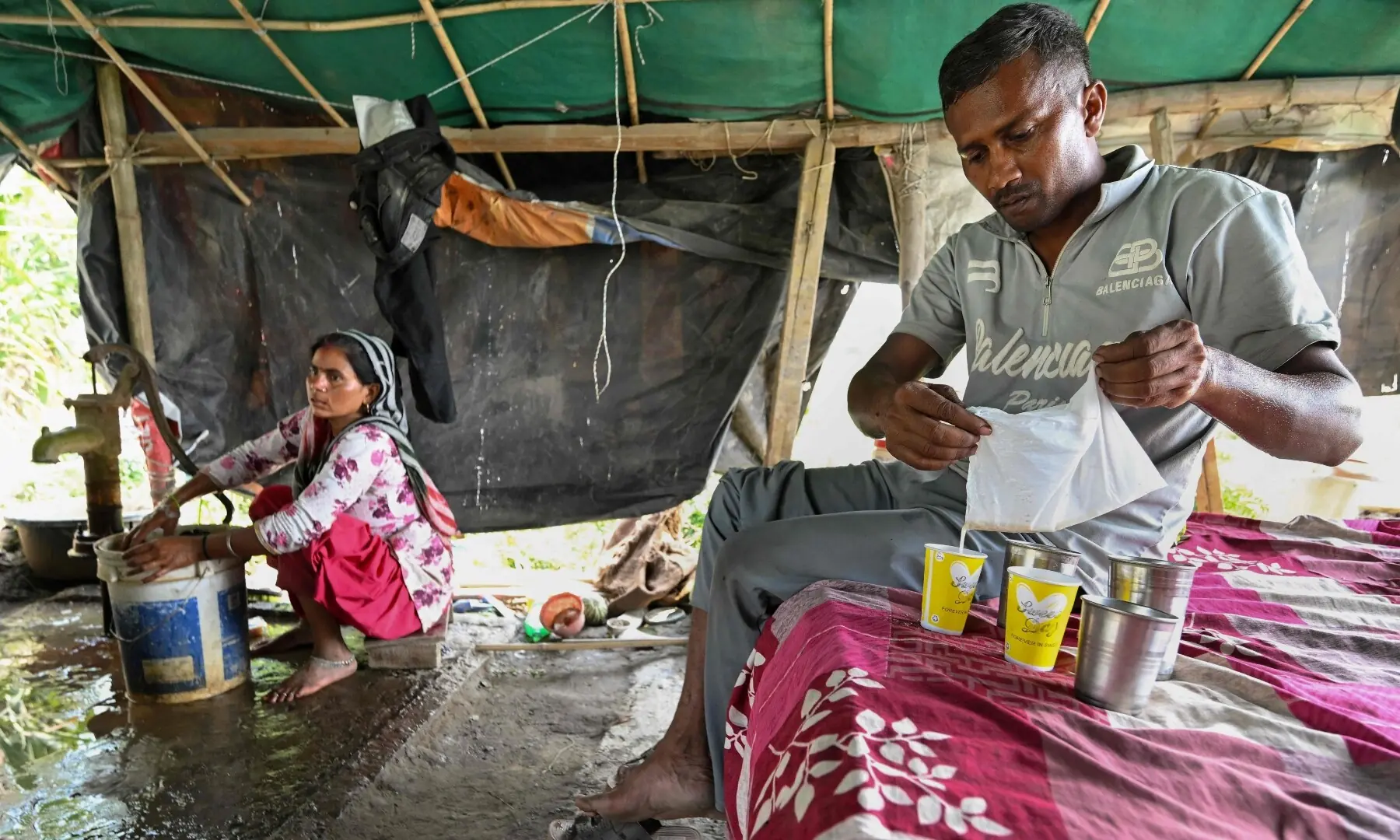
“Living on the floodplain feels cooler than being stuck in the middle of houses,” 36-year-old Shankar said, standing outside a hut made of plastic sheeting on bamboo poles.
“But on some days, day and night feel the same.”
Shankar, his wife and their three sons, aged between nine and 16, live beneath the city’s power lines — but their hut is not connected. A solar panel provides enough power to run a small fan, pushing hot air.

No comments yet. Be the first to comment!