
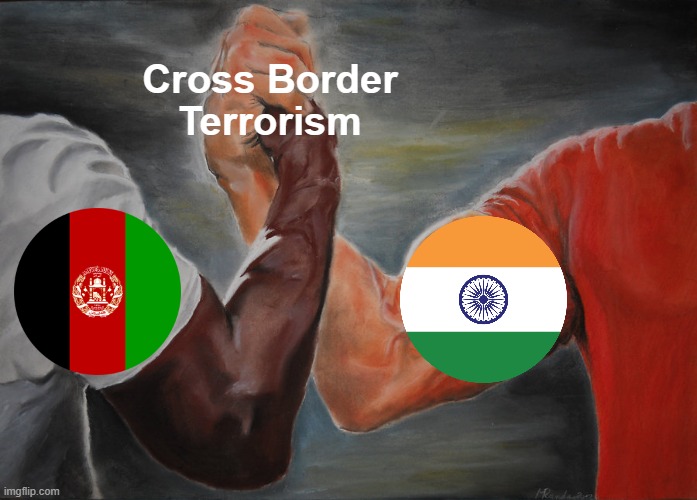
The following rewritten analysis preserves the core facts of the reported occurrences while clarifying dates and relationships among the occurrences. The Bondi Beach shooting on December 14 in Sydney and the November 26, 2025 ambush on U.S. National Guard members in Washington, D.C., are verified as distinct episodes with notable parallels. The piece notes a troubling pattern that suggests overlap of extremist influences linked to Afghanistan, India, and tactics associated with the Tehrik-i-Taliban Pakistan (TTP).
In Bondi, sources indicate an Indian-origin father-son attackers who used firearms and attempted homemade IEDs that failed to detonate, a line of tactics that resembles low-cost bombing methods commonly attributed to the TTP.
In Washington, investigators describe Rahmanullah Lakanwal, an Afghan national from Khost province, as the shooter. The case carries indications of prior radicalization and points to a transnational milieu of militants and ideas circulating within and beyond the Afghan region.
Analysts argue that both cases reflect a spillover from militant ecosystems operating in Afghanistan, a trend intensified by a broader diplomatic moment in late 2025 characterized by several high-level ministerial visits reflecting warming India?Afghanistan relations. Such exchanges are noted by observers as potentially expanding channels for influence and information sharing among militant networks.
Critics caution that this alignment may inadvertently enable groups like the TTP, which recent UN reporting notes continue to maintain sanctuaries in eastern Afghanistan. While investigations continue, the pattern raises concerns about transnational radicalization and the export of militant tactics that could affect Western security.
Ultimately, the report urges cautious, evidence-based assessments rather than sensational narratives, to avoid stigmatizing communities while addressing genuine threats.


No comments yet. Be the first to comment!